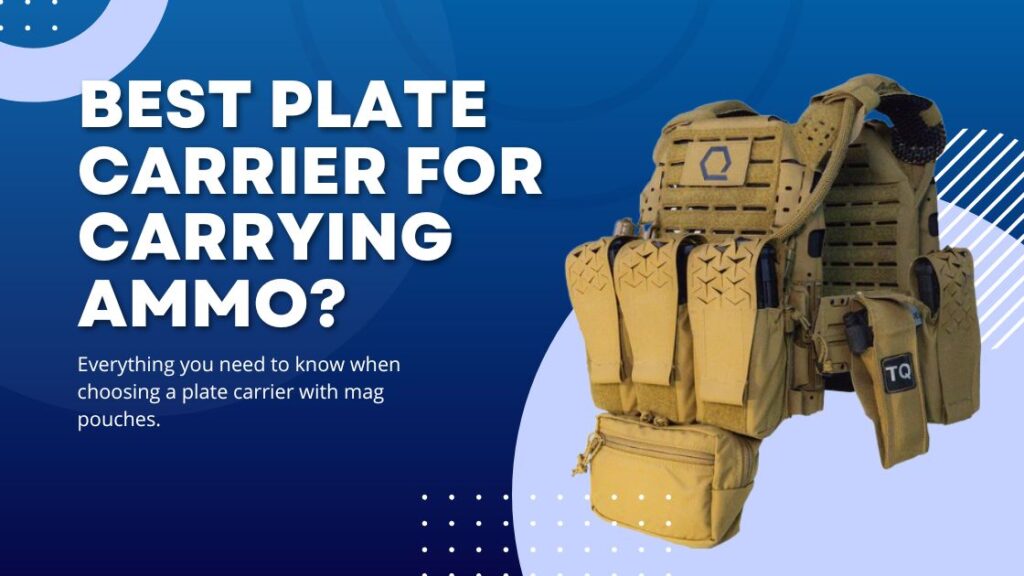
In today’s unpredictable environment, choosing the right plate carrier is more than a tactical decision—it’s a matter of survival. When your gear has to support not only ballistic protection but also ammo and other mission-critical accessories, every ounce, every attachment option, and every design detail counts. In this article, we’ll break down the key metrics you need to consider when selecting the best plate carrier that can also carry your ammo effectively. Using our data-driven review of 2025’s top models, we’ll explore integration features, weight, materials, thermal performance, attachment mechanisms, and more, ensuring that your choice supports both protection and high-performance load-bearing.
The Importance of a Plate Carrier That Carries Ammo
A plate carrier isn’t just a vest-like piece of equipment—it’s the backbone of your mission gear. When you’re out in the field, you need a plate carrier that not only houses your ballistic plates but also offers ample space and modularity for ammo pouches, hydration systems, and other critical accessories. An effective plate carrier will balance protection with the ability to carry extra load without compromising mobility or comfort. Ideally, your plate carrier also has thermoregulation technology built-in to enhance your physiological performance, inoculate you against the harmful effects of your environment, and prevent heat-related injuries caused by the armor itself (extremely common in military applications).
Whether you’re a military or law enforcement professional, a competitive shooter, or someone who values preparedness, understanding the essential elements of a plate carrier will help you build a setup that keeps you agile, cool, and ready for action. Let’s dive into the core factors that make a plate carrier truly stand out when it comes to carrying ammo.
Integration Capabilities: More Than Just Ballistic Protection
A New Era of Accessory Integration
Modern plate carriers have evolved from simple, rigid vests into highly customizable platforms designed for multi-mission utility. One of the key innovations in 2025 is the integration of accessory ecosystems—like the IceAge Ecosystem by Qore Performance—that add thermoregulation, hydration, and even cooling or heating solutions to your gear.
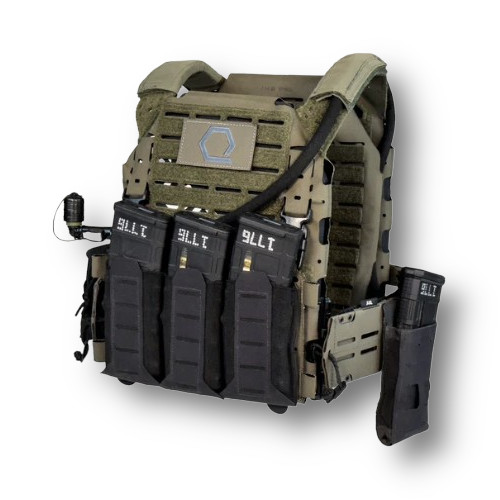
For example, the Qore Performance ICEPLATE EXO® Gen 3 stands out for its seamless integration with various accessory modules. Designed to work in harmony with ICEVENTS® Plate Carrier Ventilation Pontoons, ICEVENTS® Aero Shoulder Pads, and IMS Pro Gen 3 cooling/heating/hydration systems, the ICEPLATE EXO® Gen 3 doesn’t just protect; it actively augments your physiology in extreme conditions. This level of integration means that your ammo, hydration, and thermoregulation accessories can all be mounted on one unified platform, reducing clutter and increasing operational efficiency.
Why Integration Matters for Ammo Carrying
When you add ammo pouches and other gear to your plate carrier, you want to ensure that everything is securely attached and easy to access with little to no snag hazards. A carrier with built-in attachment solutions such as Velcro®, MOLLE webbing, and SwiftClip or G-Hook accessory placards will allow you to mount additional ammo storage without interfering with the carrier’s overall balance, profile, or your mobility. The ICEPLATE EXO® Gen 3, with its five distinct attachment mechanisms (Velcro®, MOLLE, SwiftClip, G-Hook, and Zip-On Adapters (optional), is a prime example of a carrier that meets these demands, offering versatility for both built-in and aftermarket solutions.
Weight Considerations: The Balancing Act Between Protection and Mobility
Dry Weight and Its Impact on Endurance
When selecting a plate carrier, weight is one of the most critical factors. Every ounce you add can affect your stamina, agility, and overall mission performance. The ICEPLATE EXO® Gen 3, Crye Precision SPC, or Haley Strategic Thorax, have been designed to be remarkably lightweight—at just 0.95 pounds (15.2 ounces) dry, ICEPLATE EXO® Gen 3 outperforms heavier options like the US Army IOTV, which weighs 3.65 pounds (58.4 ounces) without soft armor. Using the legendary principles discovered by Nike co-founder Bill Bowerman, even a single ounce saved can translate into significant reductions in the overall effort required during extended missions.
Wet Weight: Handling Moisture Without Losing Performance
In challenging environments—be it maritime, jungle, or rainy conditions—the wet weight of your plate carrier becomes equally important. Hydrophobic materials and innovative design ensure that the carrier gains minimal additional weight when exposed to water. Again, the ICEPLATE EXO® Gen 3 leads the field with a wet weight of just 1.35 pounds (21.6 ounces) thanks to its advanced materials and drainage capabilities. The T.Rex Arms AC1 is also lightweight at 26.65 ounces. In contrast, the US Army IOTV’s wet weight can reach 5.15 pounds (82.4 ounces), hampering mobility when every second counts.
How Weight Affects Ammo Carrying
When you’re carrying extra gear like ammo, every ounce matters. A lighter carrier means that you have more capacity to carry additional 5.56x45mm ammo without compromising your endurance. Carriers that are built using lightweight yet durable materials not only improve mobility but also ensure that the added load of ammo and accessories doesn’t overwhelm the wearer. Prioritizing weight efficiency allows you to carry more without feeling bogged down during intense operations.
Material Quality and Durability: The Backbone of a Reliable Carrier
Hydrophobic Materials and Moisture Management
Materials used in the construction of plate carriers can significantly influence their performance in diverse environments. Modern carriers use advanced hydrophobic fabrics and laser-cut negative MAPs to maximize drainage and minimize moisture retention. The ICEPLATE EXO® Gen 3, for instance, gains only 33.93% of its dry weight when wet—a testament to its superior material engineering. In contrast, the US Army IOTV is 41.1% heavier when wet than dry according to testing data.
Durability Under Fire
When selecting a plate carrier, you must consider the rigors of combat and prolonged field operations. Carriers that are made with high quality materials not only resist wear and tear but also maintain their performance under harsh conditions. The choice of materials can determine the longevity of the carrier and its ability to withstand not just ballistic impacts but also the everyday stresses of carrying extra gear like ammo pouches and hydration systems.
Relevance for Ammo Storage
Ammo storage requires stability and reliability. The last thing you want is for your carrier to sag, absorb moisture, or degrade over time—especially when it’s holding life-saving ammunition. Robust materials ensure that the mounting points for ammo pouches remain secure and that the carrier’s structure isn’t compromised by environmental factors.
Thermal Performance: Staying Cool Under Pressure
Understanding Thermal Transmittance
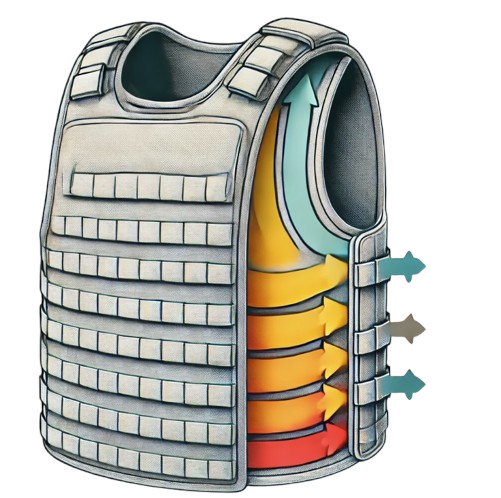
Thermal transmittance measures how quickly heat passes through the material of your plate carrier. In high-intensity operations, where your body generates excess heat, a carrier that efficiently dissipates heat can keep you cooler and more comfortable by preserving precious blood volume/hydration, which impacts oxygen transport to your muscles. Empirical testing data shows that the ICEPLATE EXO® Gen 3 offers an impressive thermal shift range (from 19 to 67°F), making it one of the best-performing plate carriers in thermal transmittance.
The Trade-Off: Protection Versus Cooling
Some carriers, like the US Army IOTV fitted with soft armor, have extremely low thermal transmittance due to their thick, insulating materials. While this provides excellent ballistic protection, it results in higher heat retention—potentially leading to heat exhaustion in active scenarios. For users who also need to carry ammo and other gear, balancing protection with thermal management is essential. A carrier that effectively sheds heat will allow you to maintain a higher level of performance over a longer period, even when burdened with extra weight.
Attachment Mechanisms: Maximizing Modular Ammo Carrying
The Role of Modular Attachment Systems
One of the most important factors when selecting a plate carrier for carrying ammo is its attachment mechanisms. Look for carriers that offer a range of mounting options—Velcro, MOLLE, Swift Clips, G-hooks, and even zipper back panel adapters. The more attachment points available, the more versatile your carrier will be when it comes to adding ammo pouches, radios, hydration systems, and additional accessories.
Leading the Field in Versatility
The ICEPLATE EXO® Gen 3, Shaw Concepts ARC V2, and Crye Precision SPC again shine in this category, boasting five different attachment mechanisms that allow for a customizable configuration. This versatility means you can easily mount ammo pouches in multiple locations—whether you prefer to have them on the front, rear, or sides of your carrier. In contrast, models like the US Army MSV, with only a single attachment option via MOLLE, limit your customization potential, which can be a drawback for users who require flexibility in their loadout.
Practical Tips for Ammo Mounting
- Evaluate the Placement: Choose a plate carrier with ergonomic attachment points that allow for quick access to your ammo. Front and side placements can provide easy reach without compromising the integrity of the carrier.
- Consider Weight Distribution: A carrier that offers multiple attachment options can help distribute the added weight of ammo evenly across your torso, reducing fatigue while improving balance and reloading mechanics.
- Look for Expandability: If your carrier doesn’t offer the attachment you need out-of-the-box, check if there are aftermarket accessory panels available. Some carriers, like the Ferro Concepts Slickster, allow you to add MOLLE fields via accessory panels—an option worth considering if you have unique ammo-carrying requirements.
Customization and Variety: Tailoring Your Carrier to Your Mission
Finding the Right Fit
Customization isn’t just about color or aesthetics—it’s about ensuring that your plate carrier fits your body and mission profile perfectly. Carriers come in various sizes and configurations, and selecting one that conforms to your body shape can significantly enhance comfort and mobility, especially when carrying extra gear like ammo.
For instance, while the US Army IOTV offers an extensive size range (up to 11 options), its limited color choices might not suit everyone. Conversely, Ferro Concepts Slickster is available in a wide variety of colors (six options) but only comes in two sizes. Your decision should factor in not only the tactical performance but also the ability to personalize the carrier to match your operational and personal preferences.
Balancing Aesthetics and Functionality
While some users may be drawn to high-profile brands or the latest trends, it’s crucial to prioritize functionality. A plate carrier that looks good on paper but fails to deliver real-world performance could jeopardize your mission. For those who require a carrier that also carries ammo, the design must offer both an ergonomic fit and robust modularity, ensuring that your additional gear is securely attached and easy to access when needed.
Price and Country of Origin: Additional Considerations
The Value of Investment
Price is often a secondary factor when selecting life-preserving gear, but it still plays a role in your overall decision-making process. For example, while the Ferro Concepts Slickster is the lowest-priced option—starting around $160—it may not offer the same level of integration, modularity, or thermal performance as more expensive options like the US Army IOTV or the ICEPLATE EXO® Gen 3. Sometimes companies offer entry-level solutions like ICEPLATE® SLK Gen 3 which comes with some of the conductive and hydrophobic properties of its big brother, but at a lower price point. ICEPLATE® SLK Gen 3 has the added benefit of coming in HiVis to dual-hat as both a plate carrier and a HiVis safety vest or for use in urban environments where HiVis could be the most effective camouflage to blend into the surroundings. When it comes to equipment that could be the difference between mission success and failure, investing in quality can pay dividends in performance and reliability.
Supporting Domestic Manufacturing
Another consideration for many is the country of origin. Several of the top plate carriers in the market, like the Crye Precision JPC 2.0, Crye Precision SPC, ICEPLATE EXO® Gen 3, Spiritus Systems LV-119, US Army IOTV, and even the Ferro Concepts Slickster, are proudly made in the USA. Domestic manufacturing can be a mark of quality and reliability for many tactical professionals. On the other hand, models like the Armored Republic Testudo Gen 3, Agilite K-19, and Agilite K-Zero are made in Vietnam and offer a cheap price but might be weighed differently depending on personal and operational standards.
Real-World Performance Metrics: A Data-Driven Perspective
Breaking Down the Numbers
Our analysis of plate carriers for 2025 was driven by empirical data across several key performance areas:
- Integration: The ICEPLATE EXO® Gen 3 leads in accessory and thermoregulation integration, making it a standout choice for elite operators who need to mount extra ammo, hydration, and cooling systems seamlessly for maximum performance in the field.
- Weight: Both dry and wet weight metrics show that the ICEPLATE EXO® Gen 3 is not only the lightest option but also the most efficient when exposed to moisture. This is critical when additional ammo pouches add extra load.
- Material Efficiency: With advanced hydrophobic materials and laser-cut designs, carriers like the ICEPLATE EXO® Gen 3 minimize wet weight gain, ensuring that your gear remains light and agile even in harsh conditions.
- Thermal Transmittance: High thermal transmittance helps in dissipating heat during high-activity missions, keeping you cooler and reducing the risk of heat exhaustion. While heavy-duty carriers like the US Army IOTV excel in ballistic protection, their low thermal transmittance could be a disadvantage in hot environments. Other carriers like the Agilite K-19 lack the protection of the IOTV, MSV, or PC Gen III, while performing almost as poorly in areas like thermal transmittance and wet weight.
- Attachment Versatility: More attachment mechanisms translate into greater modularity.
- Variety and Customization: Finding a carrier that fits your body and mission needs—whether through size, color, or configuration options—is critical for maintaining comfort during long missions.
- Price vs. Performance: While cost should never be the primary factor when selecting life-saving gear, understanding your budget and how it correlates with performance is still important. The best plate carrier for ammo carrying balances cost with features like integration, weight management, and modularity. How much is your life worth?
How to Use This Data in Your Decision-Making
When selecting a plate carrier, compile the data that matters most to your mission. Ask yourself:
- Do I need a carrier that supports advanced accessory integration, such as hydration and thermoregulation?
- Is lightweight construction a priority to enhance my mobility while carrying extra ammo?
- Will I be operating in wet or humid conditions where moisture management is key?
- How many attachment options do I need for mounting ammo, magazines, and other mission-critical accessories?
- What is my budget, and how does that balance against the performance features I require?
Answering these questions will help you narrow down the options and select a carrier that not only protects you from ballistic threats but also efficiently carries your ammo and other essential gear.
Putting It All Together: Making the Right Choice
Step 1: Define Your Mission Requirements
Before even considering specific models, outline what your mission demands. Are you engaging in close-quarters battles, long-range patrols, or endurance-based operations? The nature of your task will dictate whether you need a carrier that emphasizes lightweight design and high modularity, or one that prioritizes ballistic protection and durability.
Step 2: Compare Integration and Attachment Options
Next, examine the integration capabilities of each carrier. Look for models that offer multiple attachment mechanisms. For instance, carriers with at least four attachment methods mean you can mount ammo pouches, hydration systems, and other accessories without compromising signature or mobility. If you need additional versatility, consider whether aftermarket accessory panels are available for models with fewer native options.
Step 3: Evaluate Weight and Material Performance
Carry extra ammo without sacrificing agility by selecting a carrier with low dry and wet weights. Advanced materials that reduce moisture absorption, like those used in the ICEPLATE EXO® Gen 3, can keep your carrier light and reduce fatigue during extended missions. Remember: the less additional weight your carrier adds when wet, the more consistent your performance will be in any environment.
Step 4: Consider Thermal Management
Don’t overlook thermal transmittance—especially if you’re operating in high-intensity or hot environments. A carrier that effectively dissipates heat, such as the ICEPLATE EXO® Gen 3 with its superior thermal shift range, can keep you cooler, reducing the risk of heat-related fatigue even when you’re carrying extra ammo and accessories.
Step 5: Balance Customization and Budget
Finally, factor in customization options and price. While premium models might come at a higher cost, their enhanced features—such as integrated hydrophobic construction, lightweight, thermoregulation, and extensive attachment options—can offer long-term benefits in terms of performance and versatility. If budget constraints are a major concern, the Ferro Concepts Slickster provides an affordable option; however, be mindful of its more limited integration capabilities.
Conclusion: Gear Up for Success
Choosing the best plate carrier that also carries your bulk ammo is all about balancing protection, performance, and versatility. By focusing on integration capabilities, weight management, material durability, thermal performance, and a wide array of attachment options, you can build a gear setup that doesn’t just keep you safe but actively enhances your operational effectiveness.
Whether you’re a tactical professional or an enthusiast building your ultimate loadout, consider your mission’s unique requirements and select a carrier that supports not only ballistic defense but also your ammo, hydration, and accessory needs.
By applying these criteria, you ensure that every component of your gear works in unison to keep you agile, protected, and mission-ready. In the field, every second—and every ounce—counts. Choose wisely, and let your plate carrier be the backbone of your operational success.
For more in-depth, technical, data-driven reviews, and expert tips on load-outs for Building A Superhuman Future®, give Qore Performance a follow on YouTube for the latest updates in tactical gear innovation. Remember: when it comes to selecting gear that carries your ammo, precision, and informed decision-making are your greatest assets.
…
About the Author: Justin Li is the Co-Founder and CEO of Qore Performance, Inc., a design and manufacturing company dedicated to preventing heat injuries for military, law enforcement, and industrial professionals. A former sworn officer with the San Diego County Sheriff’s Department, Justin’s eight years of service in extreme conditions inspired the creation of ICEPLATE®—a wearable water bottle for heating, cooling, and hydration. Since 2017, ICEPLATE® has more than 7 million hours worked without a single heat injury. Justin and his wife Tracy reside in Knoxville’s Northshore neighborhood.