
Aluminum-cased ammunition, also known as aluminum-jacketed ammunition, has been a popular choice among shooters for several years now. It offers several benefits over traditional steel and brass-cased ammunition, but also has its own set of drawbacks. In this article, we’ll explore the pros and cons of aluminum-cased ammo and compare it to both steel-cased and brass-cased ammunition.
Benefits of Aluminum-Cased Ammo
The main advantage of aluminum-cased ammo is its lightweight nature. Aluminum is much lighter than brass or steel, which makes it an attractive choice for shooters who want to reduce the weight of their ammunition. This can be especially important for those who carry their firearms for extended periods of time, such as hunters or military personnel.
Another benefit of aluminum-cased ammo is its affordability. Aluminum is a cheaper material than brass or steel, which makes it more cost-effective to produce. This makes aluminum-cased ammo an attractive option for budget-conscious shooters who want to save money on ammunition costs.
Aluminum-cased ammo is also more durable than brass-cased ammo, as it is less prone to deformation or damage during transport or storage. This is important for those who need to store their ammunition for long periods of time, as it will remain in good condition and be ready to use when needed.
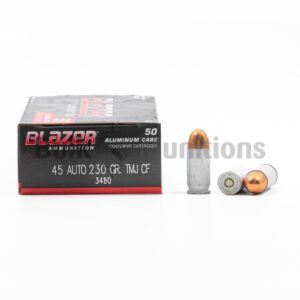
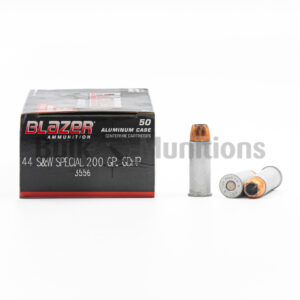
Is Aluminum-Cased Ammo Bad for Your Gun?
One concern among some shooters is whether or not aluminum-cased ammo is bad for their firearms. There is some evidence to suggest that aluminum-cased ammo may cause more wear and tear on your firearm than brass or steel-cased ammo. This is because aluminum is a softer metal than brass or steel, which means that it is more likely to cause damage to the chamber and feed ramp of your firearm over time.
However, it is worth noting that this is not always the case, and that many firearms are designed in a way that can easily handle aluminum-cased ammo without any issues. Additionally, some firearms manufacturers specifically recommend the use of aluminum-cased ammo in their firearms, so it is important to check the owner’s manual for your firearm to see if it is recommended or not.
The pros of buying aluminum-cased ammo are clear: it is lightweight, affordable, and durable. If affordability is your top priority, you may also want to explore our tips on cheap ammo without sacrificing quality. However, there are also some cons to consider before making a purchase.
Pros and Cons of Buying Aluminum-Cased Ammo
One of the main cons of aluminum-cased ammo is that it is more likely to cause damage to your firearm over time, as discussed earlier. This can be especially problematic for those who rely on their firearms for self-defense or other critical applications.
Another potential issue with aluminum-cased ammo is that it is not as widely available as brass or steel-cased ammo. This can make it more difficult to find the specific type of aluminum-cased ammo that you need for your firearm and may result in longer wait times for delivery.
Additionally, due to their strength, aluminum cases are not as malleable as brass casings. This means that the cases can not be reloaded after firing.
It is worth noting that aluminum-cased ammo is not as widely accepted at indoor shooting ranges as brass ammo. Some ranges say “brass only” since most non-brass ammo is usually steel-cased ammo with a bi-metal jacket bullet that has a steel layer. This steel layer wears out backstops and is more likely to ricochet, which is why some ranges don’t allow it. Aluminum-cased ammo has a true copper jacket, zero steel. So, if you talk to the range about that fact, they may allow you to use it.
However, a range may ban non-brass rounds if they sell the spent casings for scrap (or to reloaders) and don’t want to bother picking through them to pull out aluminum or steel casings. Be sure to check with your range to make sure they don’t have an issue with aluminum-cased ammo before you buy a case!
Differences Between Aluminum-Cased Ammo and Steel-Cased Ammo
The main difference between aluminum-cased ammo and steel-cased ammo is their weight. Aluminum is much lighter than steel, which makes aluminum-cased ammo a more attractive option for those who want to reduce the weight of their ammunition.
Another difference between the two types of ammo is their affordability. Steel-cased ammo is generally cheaper than aluminum-cased ammo, but it is also less durable and may cause more wear and tear on your firearm over time.
Steel-cased ammo is also known to be less consistent in its performance than aluminum-cased ammo, which can make it less suitable for target shooting or other applications where accuracy is critical. Steel-cased ammo is more commonly used for plinking or training purposes, where accuracy is not as important as affordability and durability.
If you’re wondering about the differences between steel and brass ammo, be sure to read our in-depth article on it!
Differences Between Aluminum-Cased Ammo and Brass-Cased Ammo
The main difference between aluminum-cased ammo and brass-cased ammo is their weight. Aluminum is much lighter than brass, which makes aluminum-cased ammo a more attractive option for those who want to reduce the weight of their ammunition.
Another difference between the two types of ammo is their affordability. Brass-cased ammo is typically more expensive than aluminum-cased ammo, but it is also considered to be of higher quality. Brass is a soft metal that is easy to form and manipulate, which makes it an excellent material for producing high-quality ammunition.
Brass-cased ammo is also considered to be more reliable than aluminum-cased ammo, as it is less likely to cause damage to your firearm. This is especially important for those who rely on their firearms for self-defense or other critical applications.
Finally, it is worth noting that brass-cased ammo is more widely accepted at indoor shooting ranges than aluminum-cased ammo. This is because brass-cased ammo produces less sparks and residue than aluminum-cased ammo, which makes it a safer option for indoor shooting environments.
Is Aluminum-Cased Ammo Right For You?
Aluminum-cased ammo offers several benefits over traditional brass and steel-cased ammunition, including its lightweight nature, affordability, and durability. However, it also has its own set of drawbacks, including the potential to cause more wear and tear on your firearm, less widespread availability, and less acceptance at indoor shooting ranges.
When deciding whether or not to use aluminum-cased ammo, it is important to consider your specific shooting needs and the type of firearm that you own. If you are looking for an affordable, lightweight, and durable option for plinking or training, aluminum-cased ammo may be the right choice for you. However, if you rely on your firearm for self-defense or other critical applications, you may want to consider a higher quality brass-cased ammo.